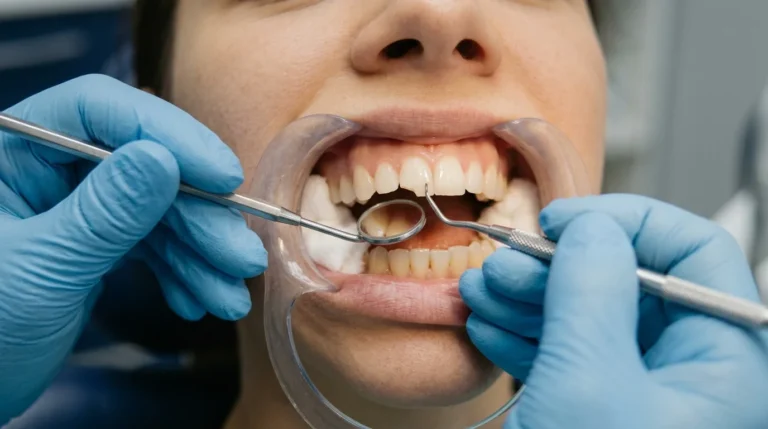
If you are weighing dental implants, bridges, and dentures in North Phoenix, here is the short version: implants last the longest and protect the jawbone, a bridge restores a small gap fastest without surgery, and dentures replace many missing teeth at the lowest upfront cost. The right choice depends on how many teeth you are missing, the health of your jawbone, your budget, and how soon you want to be done. At Diamondback Dentistry, Dr. Pouria Owtad and our team walk patients through all three options at a consultation, with the cost in writing before any treatment begins.
Implants, bridges, or dentures: which is right for you?
For a single missing tooth with healthy neighbors, a dental implant is usually the longest lasting choice and can last for decades. A bridge suits a small gap when the nearby teeth already need crowns. Dentures replace several missing teeth on a smaller budget. In North Phoenix, Diamondback Dentistry prices a single tooth implant at $2,875.
Tooth Replacement Options at a Glance
How dental implants, bridges, and dentures compare on the factors patients ask about most. These are general ranges, not quotes. Your dentist confirms what fits your case.
| What to compare | Implants | Bridges | Dentures |
|---|---|---|---|
| Upfront cost | Highest. $2,875 single tooth implant package at Diamondback | Moderate | Lowest |
| Typical lifespan | Decades, often a lifetime with care Longest lasting | About 5 to 15 years | About 5 to 10 years before relining or replacement |
| Surgery required | Yes, a minor surgical placement | No | No |
| Protects the jawbone | Yes, it replaces the tooth root | No | No |
| Effect on nearby teeth | None. It stands on its own | Neighboring teeth are reshaped for crowns | None for full dentures |
| Daily care | Brush and floss like a natural tooth | Clean under the bridge with a floss threader or water flosser | Remove to clean |
| Best for | One tooth, or long-term value and bone health | A small gap when neighbors need crowns anyway | Many missing teeth or a tighter budget |
Key Things to Know
- 01Implants are the only option that replaces the tooth root and helps preserve the jawbone.
- 02A bridge restores a small gap quickly and without surgery, but the healthy teeth beside the gap are reshaped to hold it.
- 03Dentures replace many missing teeth at the lowest upfront cost and can be full or partial.
- 04Implants cost the most upfront, yet often last decades, while bridges and dentures usually need replacement sooner.
- 05The best option depends on how many teeth are missing, your jawbone health, your budget, and your timeline.
What Dental Implants Are
A dental implant replaces a missing tooth with a small titanium post placed in the jawbone, topped by a custom crown that matches your other teeth. It is the only tooth replacement that restores the root as well as the visible tooth. According to the American Academy of Implant Dentistry, replacing the root is what helps preserve the jawbone after a tooth is lost, because the post takes over the job the natural root used to do.
This is why many patients in North Phoenix consider dental implants in North Phoenix when they want a replacement that stands on its own and does not affect the neighboring teeth.
How Dental Implants Work
The post is placed in the jaw, then the bone grows around it over the next few months in a process called osseointegration. Once the post is stable, a small connector called an abutment is attached, and the final crown is placed on top. The full process usually takes three to six months because the bone needs time to fuse before the crown goes on.
Parts of a Dental Implant
An implant has three parts that work together to look and function like a natural tooth.
Titanium Implant Post
The post is the root replacement. It is set into the jawbone and becomes the anchor for everything above it.
Abutment and Crown
The abutment connects the post to the crown. The crown is the visible tooth, shaped and shaded to blend with the teeth around it.
When Implants Are Recommended
Implants are often recommended for a single missing tooth with healthy teeth on either side, since they do not require reshaping those neighbors. They also suit patients who want the longest term option and who have enough healthy jawbone to support the post. A single tooth implant handles one gap, while implant-supported full-arch options can replace a whole row of teeth.
What Dental Bridges Are
A dental bridge fills the gap left by one or more missing teeth using a false tooth that is held in place by crowns on the teeth next to the gap. The replacement tooth is called a pontic, and the teeth that support it are the abutment teeth. A bridge is fixed in place, so you do not remove it.
Because it does not involve surgery, a dental bridge can restore a small gap faster than an implant.
How a Dental Bridge Works
The dentist reshapes the teeth on each side of the gap, then places crowns over them. Those crowns are joined to the pontic in the middle, creating one connected piece that bridges the space. The whole restoration usually takes two to four weeks across a couple of visits.
Parts of a Dental Bridge
A traditional bridge has two working parts.
Abutment Teeth and Crowns
The abutment teeth are the natural teeth on either side of the gap. They are reshaped and capped with crowns that anchor the bridge.
The Pontic (Replacement Tooth)
The pontic is the false tooth that sits in the gap. It is fused to the crowns so it stays put while you eat and speak.
When a Bridge Is Recommended
A bridge is often recommended when the teeth beside the gap already need crowns, since the same crowns can do double duty. It also suits patients who prefer to avoid surgery or who do not have enough jawbone for an implant without grafting. For a closer look at one common decision, see implants vs bridges, compared in depth.
What Dentures Are
Dentures are removable appliances that replace several missing teeth or a full row of teeth. A full denture replaces an entire arch, while a partial denture fills in gaps when some natural teeth remain. Dentures rest on the gums and, in the case of partials, clasp onto the remaining teeth.
For many patients, dentures and partials are the most flexible way to replace a lot of teeth at once.
How Dentures Work
A full denture is shaped to fit the ridge of your gums and is held by suction and, when needed, a small amount of adhesive. A partial denture fills specific gaps and uses the natural teeth for support. You take dentures out to clean them and usually at night.
Types of Dentures
Dentures come in a few forms, from fully removable to implant-anchored.
Full and Partial Dentures
A full denture replaces all the teeth in an arch. A partial denture replaces a few missing teeth and fits around the ones you still have.
Implant-Supported Dentures
An implant-supported denture snaps onto a small number of implants for a more secure fit that does not slip. This is the bridge between removable dentures and full mouth dental implants.
When Dentures Are Recommended
Dentures are often recommended when many teeth are missing, when the budget is a major factor, or when a patient is not a candidate for surgery. They are the lowest upfront cost of the three options and can be made for an entire arch.
How They Compare on Cost in North Phoenix
In North Phoenix, the cost of tooth replacement depends mostly on which option you choose and how complex your case is. As a general guide, single dental implants in the Phoenix area run about $3,000 to $5,000, traditional bridges about $2,000 to $5,000, and a full set of dentures about $1,500 to $3,000. Diamondback Dentistry prices a single tooth implant package at $2,875, which is below the typical Phoenix range. Prices vary based on individual case complexity. Request a consultation for an accurate estimate.
Dental Implant Cost
Implants carry the highest upfront cost because they include a surgical step and a custom crown. Over time, though, an implant that lasts decades can cost less than options that need replacing. You can read more on our dental implant cost in Phoenix page.
Dental Bridge Cost
A bridge usually costs less upfront than an implant and more than a basic denture. The price depends on how many teeth the bridge spans and the crown material used for the abutment teeth.
Denture Cost
Dentures are the lowest upfront cost of the three options. A partial denture costs less than a full denture, and implant-supported dentures cost more because they include implants for stability.
North Phoenix offer
Single Tooth Implant Package
What's included
- Consultation and treatment plan
- Surgical placement of the implant
- Final restoration (the crown)
Prices vary based on individual case complexity. Request a consultation for an accurate estimate.
Book a consultationInsurance and Financing
Diamondback Dentistry accepts most major PPO dental plans and verifies your benefits before treatment. Coverage for tooth replacement varies by plan. Implants are often covered between 0 and 50 percent, and many PPO plans cap annual benefits around $1,000 to $1,500, according to the National Association of Dental Plans. We accept Delta Dental PPO but not DeltaCare USA, and we do not accept AHCCCS directly, though AHCCCS patients may be seen through UnitedHealthcare APIPA. Call (602) 866-8183 to verify your benefits.
PPO plans we accept
Financing
Ask about CareCredit financing. You can prequalify with no impact to your credit score, subject to credit approval.
How They Compare on Longevity
Longevity is where the three options differ the most. According to the American Academy of Implant Dentistry, dental implants have a long-term success rate of about 95 percent and can last for decades, often a lifetime, with good care. Bridges and dentures cost less upfront, but they are usually replaced sooner.
How Long Implants Last
Because the post fuses to the bone, an implant is built to be permanent. The crown on top may need replacing after many years of wear, but the implant itself often lasts for decades. Many patients keep an implant for life with regular cleanings and good home care.
How Long Bridges and Dentures Last
Per the American Dental Association, a dental bridge typically lasts about 5 to 15 years. Dentures usually need relining or replacement every 5 to 10 years, because the jaw changes shape over time as the bone settles. Neither result is guaranteed, and individual results vary based on care and bite.
How They Compare on Daily Life
Day to day, the three options feel different to live with. This is often the deciding factor once cost and longevity are clear.
Eating and Diet
Implants function much like natural teeth, so most foods are back on the menu once you have healed. Bridges handle most foods well. Removable dentures take some practice, and very hard or sticky foods can be harder to manage.
Cleaning and Maintenance
You brush and floss an implant like a natural tooth. A bridge needs a floss threader or a water flosser to clean under the false tooth. Dentures come out for daily cleaning and soaking.
Comfort and Feel
Many patients find implants the most comfortable long term because they are fixed and do not move. Bridges are also fixed. Removable dentures can feel bulky at first, and an implant-supported denture is a more secure option for patients who want dentures that do not slip.
How They Compare on Procedure and Recovery
The timeline is a real difference between the options. If you need to be finished quickly, that can point you toward a bridge or denture.
Implant Timeline and Recovery
An implant takes about three to six months from placement to final crown, because the bone needs time to fuse to the post. The surgical step is usually comfortable with local anesthesia, and most patients return to normal activities within a day or two while healing continues underneath.
Bridge and Denture Timeline
A bridge or a conventional denture is usually completed in about two to four weeks across a few visits, with no surgery and no healing period for bone to fuse. That speed is part of why some patients choose them.
Who Each Option Is Right For
Lean toward an implant for a single missing tooth or for long-term value and bone health. Lean toward a bridge when the teeth beside the gap already need crowns or when surgery is not an option. Lean toward dentures when many teeth are missing or the budget is the priority. A consultation confirms which one fits your case.
When to Lean Toward Implants
Implants make the most sense when you want the longest lasting result and have enough healthy jawbone to support the post. They protect the bone and leave the neighboring teeth untouched.
One Tooth, Healthy Neighbors
If you are missing one tooth and the teeth on either side are healthy, an implant replaces the gap without reshaping those neighbors.
Long-Term Value and Bone Health
If you want a replacement that can last decades and helps keep the jawbone from shrinking, an implant is the option built for that.
When to Lean Toward a Bridge
A bridge is a strong choice when the teeth beside the gap already need crowns, since the bridge restores all of them at once. It also suits patients who want to avoid surgery or who do not have enough bone for an implant without grafting.
When to Lean Toward Dentures
Dentures are the practical choice when several teeth are missing, when cost is the main factor, or when surgery is not recommended. Partial dentures fill a few gaps, and full dentures replace an entire arch. Not sure where you fall? You can see if you are an implant candidate with our short quiz.
Who Should Talk to a Dentist First
A few situations change the recommendation, and they are worth raising at your consultation before you settle on an option.
- Significant jawbone loss, which may call for bone grafting before an implant. Here are your options when there is bone loss.
- Uncontrolled diabetes or active gum disease, which can slow healing.
- Heavy smoking, which can affect how well an implant heals.
- Certain medications that affect bone healing.
If any of these apply to you, talk with a dentist before choosing an option so your plan fits your health. And if you have a knocked-out tooth, uncontrolled bleeding, or facial swelling, seek urgent dental or emergency care right away. Call 911 if you have trouble breathing or swallowing.
Common Questions About Tooth Replacement
Are dental implants better than bridges or dentures?
▾
Why might a dentist recommend a bridge over an implant?
▾
Which tooth replacement lasts the longest?
▾
What is the most affordable way to replace a missing tooth?
▾
Is a dental implant or a bridge more comfortable?
▾
Can I get an implant if I have bone loss?
▾
Do teeth decay under a dental bridge?
▾
How long does each option take?
▾
What are implant-supported dentures?
▾
Does insurance cover implants, bridges, or dentures in North Phoenix?
▾
How much do these cost at Diamondback Dentistry?
▾
How do I decide which option is right for me?
▾
Sources and References
- American Academy of Implant Dentistry. Dental implant success and longevity. aaid.com Implant success rate and lifespan.
- American Dental Association, MouthHealthy. Bridges and dentures overview. mouthhealthy.org Bridge and denture lifespan and care.
- National Association of Dental Plans. Dental benefits and annual maximums. nadp.org Typical PPO coverage and annual maximums.
- Cleveland Clinic. Dental implants, bridges, and dentures. my.clevelandclinic.org General procedure and recovery context.
Talk to a North Phoenix Dentist About Your Options
Not sure whether an implant, bridge, or denture fits your case? Dr. Pouria Owtad and our team will examine the area, answer your questions, and give you the cost in writing before any treatment. We see patients across North Phoenix, and we are closed Friday through Sunday, so call ahead to book.

Financing
Spread the Cost With CareCredit
Tooth replacement is easier to plan for with financing. You can prequalify with CareCredit with no impact to your credit score, then use it toward your treatment at Diamondback Dentistry.
Subject to credit approval. Prequalifying with CareCredit does not affect your credit score. Financing is provided through CareCredit; Diamondback Dentistry does not determine approval or terms.
Service Area
Diamondback Dentistry serves North Phoenix and the surrounding North Valley along the Bell Road and I-17 corridor.
Neighborhoods served
- North Phoenix
- Deer Valley
- Peoria
- Moon Valley
- Glendale
ZIP codes in catchment
- 85023
- 85022
- 85021
- 85029
- 85051
- 85027
Diamondback Dentistry · 1512 W Bell Rd, Suite C-6, Phoenix, AZ 85023 · (602) 866-8183