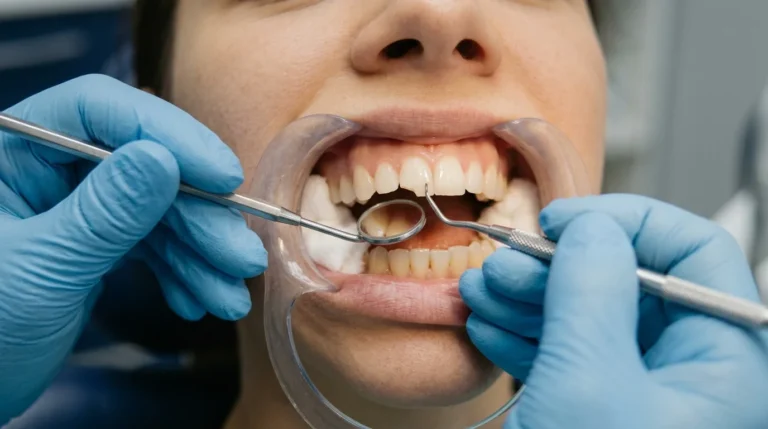
If you've lost a tooth, the choice is usually dental implants vs. bridges. Both work, just differently. In Phoenix, a single implant generally runs $3,000 to $5,000 with the crown while a traditional bridge sits closer to $2,000 to $5,000 (per Healthline's comparison of the two) and the better fit depends on your tooth, your gums and your timeline. This tooth replacement comparison from Diamondback Dentistry in North Phoenix walks through cost, longevity, bone health and candidacy so you have real answers before the consultation.
Dental Implants vs. Bridges: Which Is Better?
When choosing between dental implants vs. bridges for a single missing tooth, an implant is usually the better choice over the long run. They survive at around 94 to 98 percent over 10 years and they don't touch the teeth next to the gap. Bridges win on speed and upfront cost, done in two or three visits instead of three to six months. In Phoenix, an implant runs $3,000 to $5,000 and a bridge $2,000 to $5,000.
What Is a Dental Implant?
A dental implant is a small titanium post placed into the jawbone where a tooth used to be. After it goes in, the bone slowly grows around it and locks it in place, the same way a natural root would sit. Once that's healed, your dentist attaches a custom crown on top. A finished implant blends in with everything around it, both visually and when you chew.
The full timeline runs about three to six months, mostly because the bone needs that time to fuse to the post (a process called osseointegration). The actual surgery is usually a single visit. Most patients tell us recovery was easier than expected, closer to a rough filling than what they pictured for oral surgery.
What makes implants different is that they stand on their own. The teeth on either side of the gap don't get touched and the bone underneath stays active because the post keeps stimulating it. For a single tooth dental implant in North Phoenix, Diamondback Dentistry's package is priced at $2,999, surgical placement included.
What Is a Dental Bridge?
A dental bridge replaces a missing tooth by anchoring a false tooth (called a pontic) to the two natural teeth on either side of the gap. Those neighboring teeth get filed down and capped with crowns and the pontic sits between them as one connected piece. The whole structure is cemented in place, so it doesn't come out the way a denture would.
Most bridges are finished in two or three visits over two to three weeks. The first visit handles the prep and a temporary bridge. The permanent bridge gets cemented in second visit. There's no surgery and no healing window.
The catch is what happens to the supporting teeth. Filing down healthy enamel on two otherwise good teeth is permanent. The bone underneath the gap also keeps shrinking over time because nothing is stimulating it the way a tooth root would.
Dental Implants vs. Bridges: Side by Side
The cleanest way to see the difference is to put them next to each other. Cost, longevity, what happens to the bone, what happens to your other teeth and who each one fits best.
| Dental Implant | Dental Bridge | |
|---|---|---|
| Cost in Phoenix | $3,000 to $5,000 ($2,999 at Diamondback) | $2,000 to $5,000 |
| 10 year survival | 94 to 98 percent | 72 to 87 percent |
| Bone preservation | Yes, the post stimulates the jawbone | No, bone shrinks under the gap over time |
| Effect on neighboring teeth | None | Two healthy teeth get filed down and capped |
| Treatment timeline | 3 to 6 months total | 2 to 3 visits over 2 to 3 weeks |
| Insurance coverage | Often partial, varies by plan | More commonly covered, varies by plan |
| Best fit for | Healthy gums, adequate bone, willing to wait for a longer lasting result | Want a faster result, the neighboring teeth already need crowns, or implants are not an option |
Implant survival per Jung et al. (2012); bridge survival per Pjetursson et al. (2014 to 2015). Phoenix cost ranges from April 2026 SERP analysis.
What Implants and Bridges Actually Cost in Phoenix
On bridge vs implant cost, the Phoenix ranges shown in the table above are wide for a reason. The number you actually pay depends on what your case needs and what your tooth looks like underneath.
For a single implant:
- Low end ($3,000): straightforward placement in healthy bone with a standard porcelain crown
- High end ($5,000): a bone graft was needed first, you're going with a premium zirconia crown, or the tooth is a front tooth where shade matching takes more chair time
For a bridge:
- Low end: a basic porcelain fused to metal bridge
- High end: all ceramic or zirconia bridges, because the material costs more and the lab work is more involved
Most PPO insurance plans cover bridges at 50 percent and treat implants as a major service or sometimes exclude them outright, which is why the out of pocket gap between the two often closes after benefits are applied. Diamondback's implant package is priced at $2,999 for a single tooth, which sits below the bottom of the local market range. Insurance, financing through CareCredit and a written treatment plan with the line items are walked through at the consultation. For a deeper look at how Diamondback handles dental implants in Phoenix, the implants page covers the full process.
Single Tooth Dental Implant Package
Phoenix market range: $3,000 to $5,000
Insurance and CareCredit financing accepted. Final treatment plan reviewed at consultation before anything is scheduled.
Insurance and Financing at Diamondback Dentistry
Diamondback Dentistry accepts most major PPO insurance plans. Benefits are verified before any treatment plan is finalized, so the out of pocket number you see is your actual cost, not an estimate.
Plans we accept
- Delta Dental
- Aetna
- Cigna
- Blue Cross Blue Shield
- UnitedHealthcare
- MetLife
- Guardian
- Principal
- Humana
CareCredit financing is also accepted for treatment plans, with monthly payment options that fit most budgets.
Annual maximum benefits typically cap between 1,000 and 1,500 dollars per plan year, which matters for major procedures like implants and bridges. We help you plan around that cap.
How Long Each One Lasts, and What Happens to the Bone
The longevity gap is real and it shows up in the studies. A 2012 systematic review by Jung and colleagues found a 10 year survival rate of around 94 to 98 percent for single tooth implants in healthy patients. A 2014 to 2015 review by Pjetursson and colleagues put traditional fixed bridges closer to 72 to 87 percent over the same horizon.
Bone is the part most patients don't think about until later. When a tooth is lost, the jawbone where the root used to sit starts to shrink, because nothing is stimulating it anymore. Over time, that bone loss can change the shape of the lower face, especially when more than one tooth is missing. The National Institute of Dental and Craniofacial Research documents this resorption pattern in adults with untreated tooth loss. An implant slows it down because the post takes the root's job. A bridge does not because it sits on top of the gum.
That single difference is why dentists often steer patients toward implants when the bone and gum health support it.
Daily Care: What Each One Asks of You
Day to day, an implant is the simpler of the two. You brush and floss it the way you would a natural tooth. There is no special tool required.
A bridge takes a little more work. The pontic, the false tooth in the middle, has no root, so food and plaque can build up underneath it. Cleaning that gap takes a special tool used at least once a day:
- A floss threader
- A water flosser
- Or special bridge floss
Skipping it is how bridges fail early, because decay sets in on the supporting teeth where the crowns meet the gum line.
Who's a Better Fit for Which?
An implant works best when the gum is healthy, the jawbone has enough density to hold the post and you are willing to wait three to six months. Most healthy adults qualify, but a few groups sometimes need extra screening or a bone graft before placement:
- Smokers
- Patients with uncontrolled diabetes
- Patients on certain bone medications
If you're not sure where you fall, you can take our 2 minute implant quiz to see what fits.
A bridge tends to be the better fit in a few specific cases:
- The teeth on either side already need crowns. The bridge bundles them with the replacement tooth, so you're paying for those crowns either way.
- The bone in the gap has shrunk too far for an implant and a graft is not on the table. A bridge fills the space without surgery.
- The timeline is the deciding factor. A bridge gets you eating normally in two to three weeks instead of months.
Either way, the consultation is where the call gets made. An exam, a panoramic X ray and an honest read of your bone and gum health will tell you which option fits the tooth in front of you.
Common Questions about Implants and Bridges
What are the pros and cons of a dental implant and a dental bridge?
Implants last longer (around 94 to 98 percent over 10 years), preserve the bone and don't touch the neighboring teeth, but they cost more and take three to six months. Bridges are faster (two to three weeks) and often cheaper at the start, but they require filing down two healthy teeth and the bone underneath shrinks over time. For one missing tooth with healthy gums and bone, the implant is usually the stronger long term choice, which is what Diamondback recommends most often in North Phoenix.
How soon after losing a tooth should I get a dental implant or a dental bridge?
Start the conversation within three to six months of losing the tooth because the bone in the gap starts shrinking as soon as the root is gone. Booking a consultation at Diamondback Dentistry within a few weeks gives you the most options.
Does insurance cover a dental implant or a dental bridge in Phoenix?
Most PPO plans cover bridges at 50 percent and treat implants as a major service or exclude them, with annual caps usually between 1,000 and 1,500 dollars. Diamondback verifies your specific benefits before any treatment plan is finalized.
What does the consultation for a dental implant or a dental bridge actually involve?
The consultation at Diamondback Dentistry is a one visit appointment that includes an exam, a panoramic X ray to check the bone, a discussion of which option fits your tooth, and a written treatment plan with the full cost. You leave with the numbers and decide on your own time.
Is getting a dental implant or a dental bridge painful?
Both procedures are done under local anesthesia, so the appointment itself is not painful. Most implant patients describe recovery as soreness for two to three days. Sedation options are discussed at the Diamondback consultation if you are anxious.
Will I be without a tooth during the dental implant or dental bridge process?
No. For an implant, a temporary tooth is placed during the healing months. For a bridge, a temporary bridge is cemented after the first visit and stays in until the permanent one is ready. Diamondback patients in North Phoenix don't walk around with a visible gap during treatment.
Can I eat normally after a dental implant or a dental bridge is placed?
You eat soft foods for the first few days after either procedure at Diamondback, then return to a normal diet. With a finished bridge, avoid biting hard candy or ice directly on it because the cement bond is strong but not unbreakable.
What happens if a dental implant or a dental bridge fails?
Implants fail in around 2 to 6 percent of cases over 10 years, usually from infection or the bone not fusing. The post is removed and a replacement is placed once the site heals. Bridges fail more often, usually from decay on the supporting teeth, and the fix is replacing the bridge or moving to an implant. At Diamondback, failure is treated as part of long term care, not catastrophic.
Can a dental bridge be replaced with a dental implant later?
Yes, this is a common upgrade path Diamondback handles in Phoenix. The bridge is removed, the supporting teeth are evaluated and an implant is placed in the original gap if the bone is still adequate. Starting with an implant avoids the risk that bone loss during the bridge years requires a graft first.
What are the alternatives to a dental implant or a dental bridge?
A removable partial denture is the main alternative for a single tooth, and Diamondback offers it at the North Phoenix office. It costs less, can be done quickly and works for patients who can't have surgery or want a temporary fix. It clips in and out, doesn't preserve the bone, and most patients eventually upgrade to an implant or a bridge.
Dental Implants and Bridges in Phoenix, Arizona
Choosing between implants or bridges depends on your bone, your gums, and your timeline, and the fastest way to know is a consultation. Dr. Pouria Owtad, DMD, sees patients at Diamondback Dentistry, 1512 W Bell Rd, Suite C6, in North Phoenix, with hours Monday through Wednesday 8 to 4 and Thursday 9 to 2. We serve North Phoenix, Deer Valley, Peoria, Moon Valley and Glendale. Call (602) 866-8183 or schedule online to compare your options.
Compare your options at Diamondback Dentistry
An exam, a panoramic X ray and a written treatment plan are the fastest way to know whether an implant or a bridge fits your tooth. Book a consultation in North Phoenix, or take the quiz first to see if you're a candidate.
Serving North Phoenix and the Surrounding Valley
Diamondback Dentistry 1512 W Bell Rd, Suite C6Phoenix, AZ 85023
Monday to Wednesday 8 AM to 4 PM, Thursday 9 AM to 2 PM
Neighborhoods we serve
- North Phoenix
- Deer Valley
- Peoria
- Moon Valley
- Glendale
Dr. Pouria Owtad, DMD
Dentist and Owner, Diamondback Dentistry
Education: Doctor of Dental Medicine, A.T. Still University, Arizona School of Dentistry and Oral Health. Undergraduate at The University of Arizona.
Credentials: DMD, Certificate in Public Health, Laser certification.
Memberships: American Dental Association, Arizona Dental Association, Central Arizona Dental Society.
Languages: English, Farsi.
Reviewed April 28, 2026