The signs you need to see a dentist usually start small: a twinge with cold water, gums that bleed after flossing, a tooth that feels off for more than 48 hours. Wait a few weeks too long and what could have been a simple filling can turn into a root canal. At Diamondback Dentistry in North Phoenix, here are 7 warning signs we tell patients to take seriously, along with what to expect at your visit.
When should you see a dentist?
You should see a dentist any time you have tooth pain, sensitivity, or bleeding gums that have not gone away on their own within 7 to 10 days. The signs you need to see a dentist often look small at first, which is why most people wait too long. A small fix early is far easier than treating the same problem after it has grown.
1. Tooth Pain That Won't Go Away
A throb when you bite down. A dull ache every afternoon. A sharp jolt the second something cold hits one spot. Tooth pain is the most common reason patients call us, and it almost never gets better on its own.
Usually it means decay has reached the inner layer of the tooth, an infection has started at the root, a crack you cannot see, or a filling that has failed. Painkillers can quiet things for a day, but the underlying problem keeps moving. What could have been a filling at week one often becomes a root canal by week four.
Call us if the pain wakes you up at night, lingers more than a few seconds after a hot or cold drink, or comes with a swollen cheek or fever. The last two mean the infection is spreading and you need to be seen the same day.
2. Sensitivity to Hot, Cold, or Sweet
A sip of iced water that makes you wince. Ice cream that feels like a punishment. A bite of something sweet that sets off a quick zing. Sensitivity is your tooth telling you the protective outer layer is no longer doing its job.
The cause is usually thinning enamel, gum recession that exposes the root, a fine crack, or decay just starting to break through. Sometimes it is mild and brief, and a sensitive toothpaste can manage it for a few weeks. Other times it points to something that needs a filling, a crown, or treatment for the nerve underneath.
The rule we give patients: if sensitivity lingers more than 30 seconds after the trigger, shows up in only one tooth, or has been getting worse for over a month, it is time to come in.
3. Gums That Bleed When You Brush or Floss
Pink in the sink is not normal. Most people see blood after flossing and assume they brushed too hard, but consistent bleeding is one of the earliest signs of gum disease.
In its early stage, gum disease is fully reversible. Left alone for 6 to 12 months, it can move into periodontitis, which damages the bone that holds your teeth in place. Once that bone is gone, teeth start to loosen and shift. The progression is quiet, with little pain until things are already serious.
If your gums have been bleeding for more than two weeks, look swollen, or pull away from the teeth, book a cleaning and exam. A scaling appointment now is a much smaller deal than treating advanced gum disease later.
4. Bad Breath That Won't Go Away
Coffee breath in the morning is one thing. Breath that stays unpleasant after brushing, flossing, and a mint is something else. Chronic bad breath (halitosis) is usually a sign of bacteria building up somewhere your toothbrush cannot reach.
The common culprits are gum disease, cavities, an infected tooth, or food trapped under a worn filling. Less often it points to dry mouth, a sinus issue, or acid reflux. In our experience, more than 8 out of 10 cases we see trace back to something inside the mouth.
If your breath has not improved after two weeks of careful brushing, flossing, and tongue scraping, book a visit. We can usually find the source in a single exam and clear it up with a cleaning and any needed treatment.
5. Jaw Pain, Clicking, or Tightness
A jaw that aches when you wake, clicks when you chew, or locks after a long day is telling you something. The cause is usually grinding (bruxism), a misaligned bite, or stress on the joint connecting your jaw to your skull.
In our experience, most people who grind their teeth do not realize it. We see the wear pattern long before the patient feels the pain. Left untreated for 6 to 12 months, grinding can crack molars and wear enamel down to the nerve.
If your jaw aches for more than a week, clicks every time you chew, or feels locked, book an exam. A custom night guard costs a fraction of replacing a cracked molar.
6. A Tooth That Feels Loose
Permanent teeth should not move. A tooth that wobbles when you push it with your tongue or shifts when you bite is a clear signal something has gone wrong underneath.
The most common cause we see is advanced gum disease that has destroyed bone around the tooth. Less often, it is trauma from a sports injury or a fall. Either way, the window to save the tooth is short. Once a tooth has been loose for more than 4 weeks, saving it becomes much harder.
Come in within a few days of noticing the movement. We image the area, treat the underlying issue, and tell you straight whether the tooth can be saved. If it cannot, we walk you through replacement options including implants.
7. A Missing Tooth You Have Not Replaced
Maybe a tooth came out years ago and you adjusted. Maybe it was pulled last month. Either way, an empty space in your mouth is not stable. Neighboring teeth slowly tilt into the gap, the opposite tooth drifts down, and the bone where the tooth used to be starts to shrink.
In our experience, most of that bone loss happens in the first 12 months after the tooth is gone. Wait several years and you may need a bone graft before an implant can go in, which adds time and cost.
If you have a missing tooth, come in for an exam. We check the bone, look at how the bite has shifted, and walk you through the options: implant, bridge, or partial denture. The sooner we look, the simpler the fix.
What to Expect When You Come In
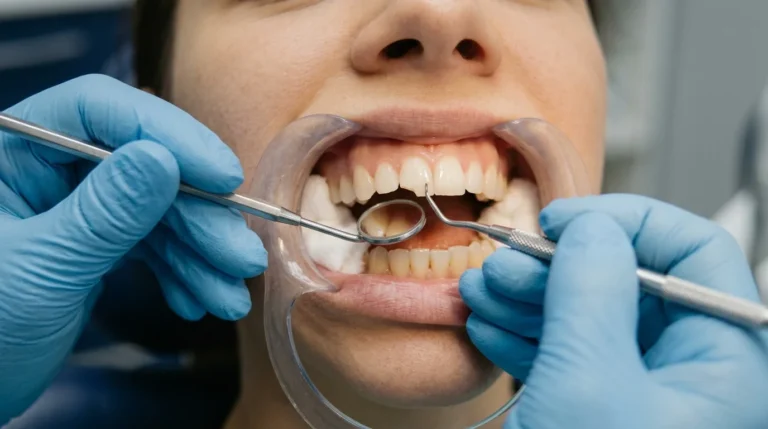
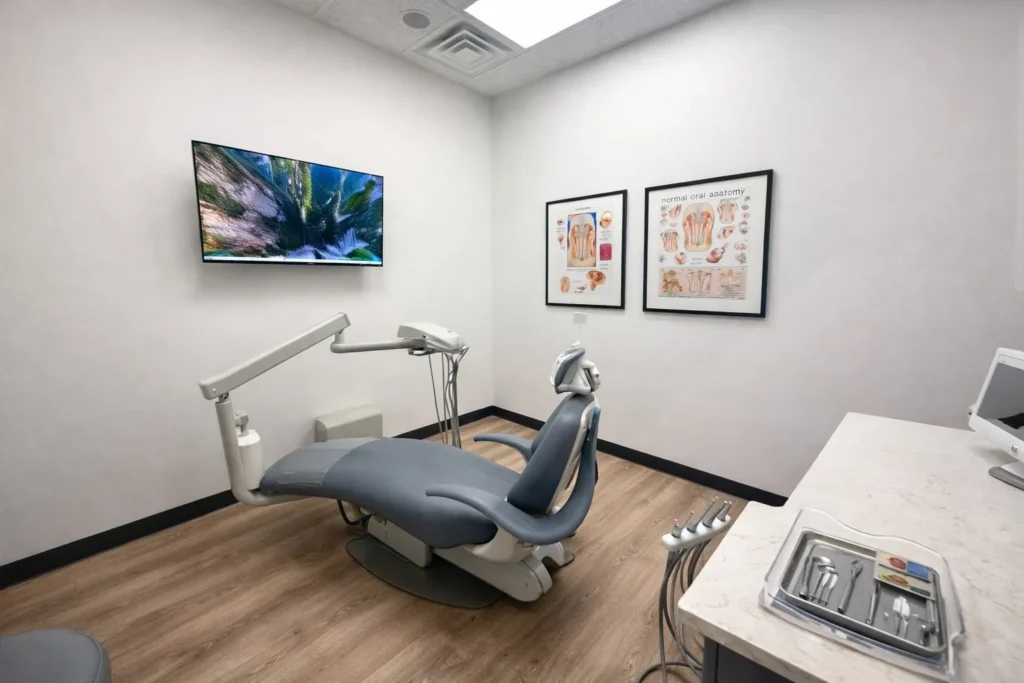
Most first visits for one of the signs above start the same way: an exam that runs 30 to 45 minutes with focused scans of the area that has been bothering you. We listen first, look second, and only recommend treatment after we have something to show you on the screen.
If the issue is small and we can fix it in the same visit, we will. If it needs a separate appointment, we map out the timing and cost so there are no surprises. New patients without insurance can use our $19 New Patient Special, which covers the exam, digital X-rays, and an oral cancer screening. A cleaning is scheduled separately based on what the exam finds.
Common Questions about Seeing a Dentist
How often do I need to see a dentist?
Every 6 months is the standard for most adults. Patients with gum disease, a history of cavities, or chronic dry mouth often need to come in every 3 to 4 months. If you have not had a checkup in over a year, book one now.
How long does a visit to see a dentist usually take?
A routine cleaning and exam runs 45 to 60 minutes. First visits and visits with scans add another 15 to 20 minutes. Treatment appointments vary by procedure: a single filling typically takes 30 to 45 minutes, and a crown is two appointments of about an hour each.
What if I have not seen a dentist in years?
Coming back after 5 or more years away is more common than people realize. The first visit back is usually an extended exam, full mouth scans, a cleaning, and a treatment plan if anything needs attention. We do not lecture or judge, we just get you caught up.
What does it cost to see a dentist without insurance?
$19 covers the full first visit at Diamondback Dentistry with our New Patient Special: exam, digital X-rays, and an oral cancer screening. It does not include a cleaning, which is scheduled separately. After that, treatment cost depends on what you need, with crowns at $675 and implants at $2,999 through our packages. We give you a full written estimate before any work starts.
Should I go to the ER or see a dentist for a tooth emergency?
About 9 out of 10 dental emergencies are better handled at a dentist's office than an ER. ERs cannot perform fillings, root canals, or extractions, which means even after an ER visit you would still need a dentist. Go to the ER only for uncontrolled bleeding, severe facial swelling, or a tooth knocked out by major trauma. For everything else, call us first.
When to See a Dentist in North Phoenix
Knowing the signs you need to see a dentist is one thing, getting them looked at is another. Dr. Pouria Owtad, DMD, sees patients at Diamondback Dentistry, 1512 W Bell Rd, Suite C6, in North Phoenix. Hours are Monday through Wednesday 8 to 4 and Thursday 9 to 2, with service across North Phoenix, Deer Valley, Peoria, Moon Valley and Glendale. Call (602) 866-8183 or schedule online if any of the 7 signs above sound familiar.
Get the answer before the problem grows
If any of the 7 signs above sound familiar, an exam and scans tell you whether it is something to watch or something to fix now. Book a visit in North Phoenix or call us.
Serving North Phoenix and the Surrounding Valley
Diamondback Dentistry 1512 W Bell Rd, Suite C6Phoenix, AZ 85023
Monday to Wednesday 8 AM to 4 PM, Thursday 9 AM to 2 PM
Neighborhoods we serve
- North Phoenix
- Deer Valley
- Peoria
- Moon Valley
- Glendale
Dr. Pouria Owtad, DMD
Dentist and Owner, Diamondback Dentistry
Education: Doctor of Dental Medicine, A.T. Still University, Arizona School of Dentistry and Oral Health. Undergraduate at The University of Arizona.
Credentials: DMD, Certificate in Public Health, Laser certification.
Memberships: American Dental Association, Arizona Dental Association, Central Arizona Dental Society.
Languages: English, Farsi.
Reviewed May 17, 2026